5 Reasons the POS Migration Keeps Getting Postponed
The meeting happens every year and ends the same way. Here's the machinery underneath it — and what you can move on without waiting for it to resolve.
Somewhere in the last twelve months you had the conversation. The POS is dated, the guest-facing things you want aren't in it, someone built a shortlist, a vendor came in and demoed. Then the year ended and you're still on the same system.
That's the normal outcome, not the embarrassing one. Last year 53% of full-service operators switched or bought a new system, down from 71% in 2024, in TouchBistro's survey of more than 600 operators. Intent didn't drop. Follow-through did. Here are five reasons why.
1. What pushes you out isn't what you buy on
Sixty percent of operators name features and functionality as the top reason to switch. But when they sit down and evaluate systems, the factor that leads is system reliability, at 37% — ahead of ease of use and price. You go shopping for what's missing and you choose on what can't break. Those are two different lists, and they almost never point at the same vendor.
2. Switching one location means switching all of them
Ninety-seven percent of full-service multi-unit operators now run the same POS at every location. That standardization is worth having — one training path, one report, one support number. It also means a migration isn't a migration. It's all of them, on a calendar with no quiet season.
3. The cost of being wrong lands on a Friday
A POS decision doesn't fail in the boardroom. It fails at 7:40pm on the first busy night, with a new terminal layout, a server who was trained three weeks ago, and a line at the host stand. Everyone in the room knows that, which is why the decision keeps getting one more quarter of diligence.
“The migration isn't scary because it's expensive. It's scary because the bill comes due on your best night of the week”
— Ready Operations
4. The features you wanted get deferred along with it
This is the part that actually costs money. Once the guest-facing upgrades are bundled into the migration, they inherit its timeline — and the same survey names POS integration challenges as a top barrier to automation, at 26%. So the thing you wanted gets postponed by the difficulty of the thing you didn't.
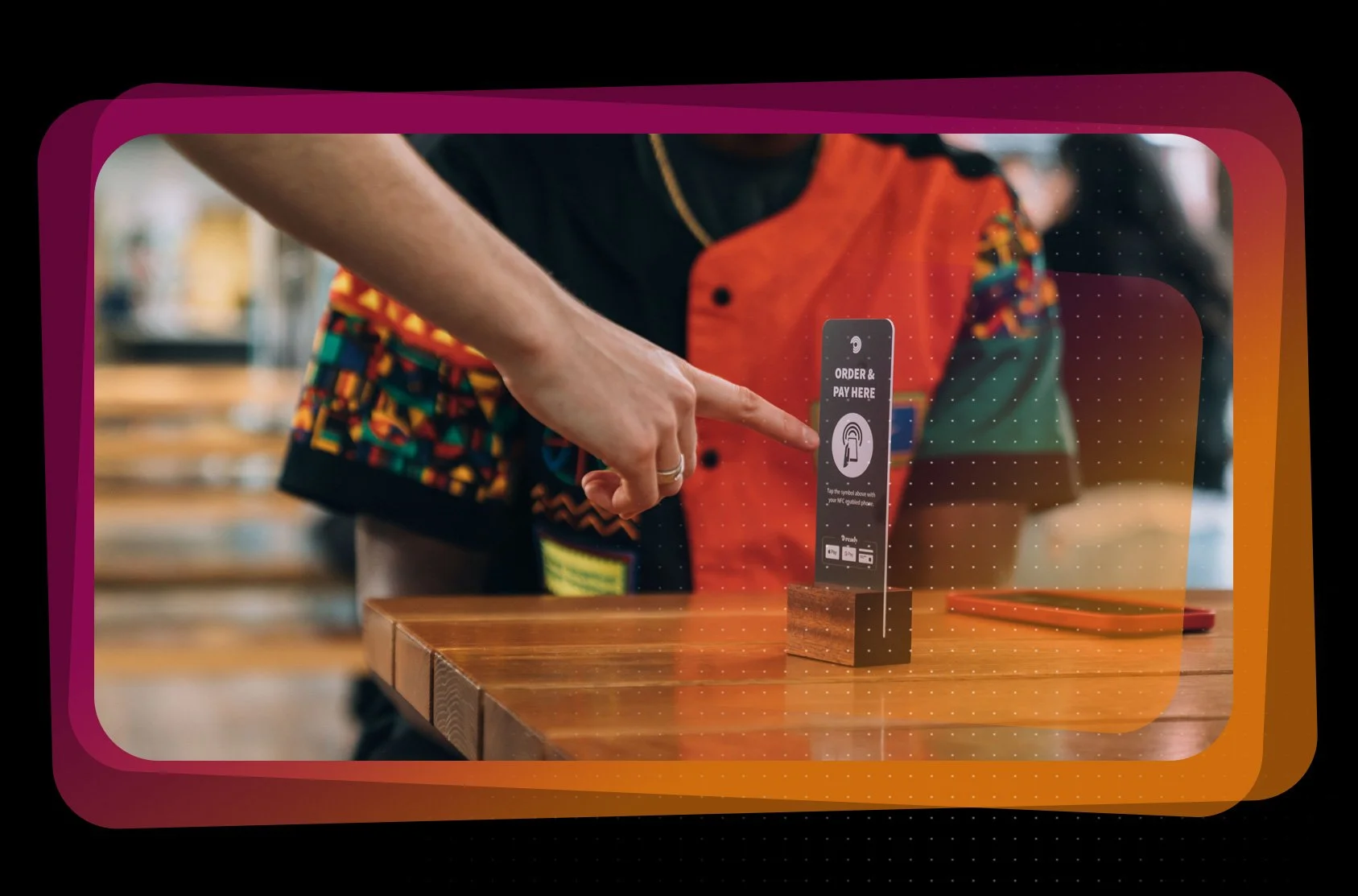
- The QR menu waits on the new POS.
- Pay at table waits on the QR menu.
- Fourth quarter arrives, and nothing moves until spring.
5. Nobody schedules a migration for a maybe
Big system projects need a forcing event — end of support, a processor change, a remodel, an acquisition. Something has to make it urgent. Absent that, the migration is always defensible to defer, because deferring it costs nothing that shows up on a P&L this month, while doing it costs money, training time and risk that all show up immediately. That's why the shortlist from two years ago still has the same three names on it.
The useful move here is to stop treating two decisions as one. Write down what you actually want guests and servers to be able to do, then ask which of it needs a new POS and which of it just needs a layer on top. Most operators find the second list is longer than they expected. That's the part Ready handles — ordering and payment running over the system you already have.
None of this requires ripping out your POS. The migration can stay on next year's agenda where it's been sitting, and the floor can get faster this quarter anyway.
See it running in your restaurant
Ready layers order & pay onto your existing POS — no rip and replace.
Get a Demo