5 Things That Decide How Many Tables a Server Can Cover
Section size gets set by habit and defended by feel. Here's what actually sets the ceiling in your dining room — and how to raise it without a guest ever noticing.
Every full-service operator has a number. Four tables, five, six, depending on the room and the night. It usually got set years ago, and after that it's defended by instinct — add one and service slips, take one away and labor cost climbs. Nobody can point to the minute where it broke.
The number is standing in for something else: how many minutes each table takes that have nothing to do with serving anyone. Cut those minutes and the same server covers more ground without the guest feeling a thing. Here are five places they hide.
1. The walk to the terminal sets the ceiling
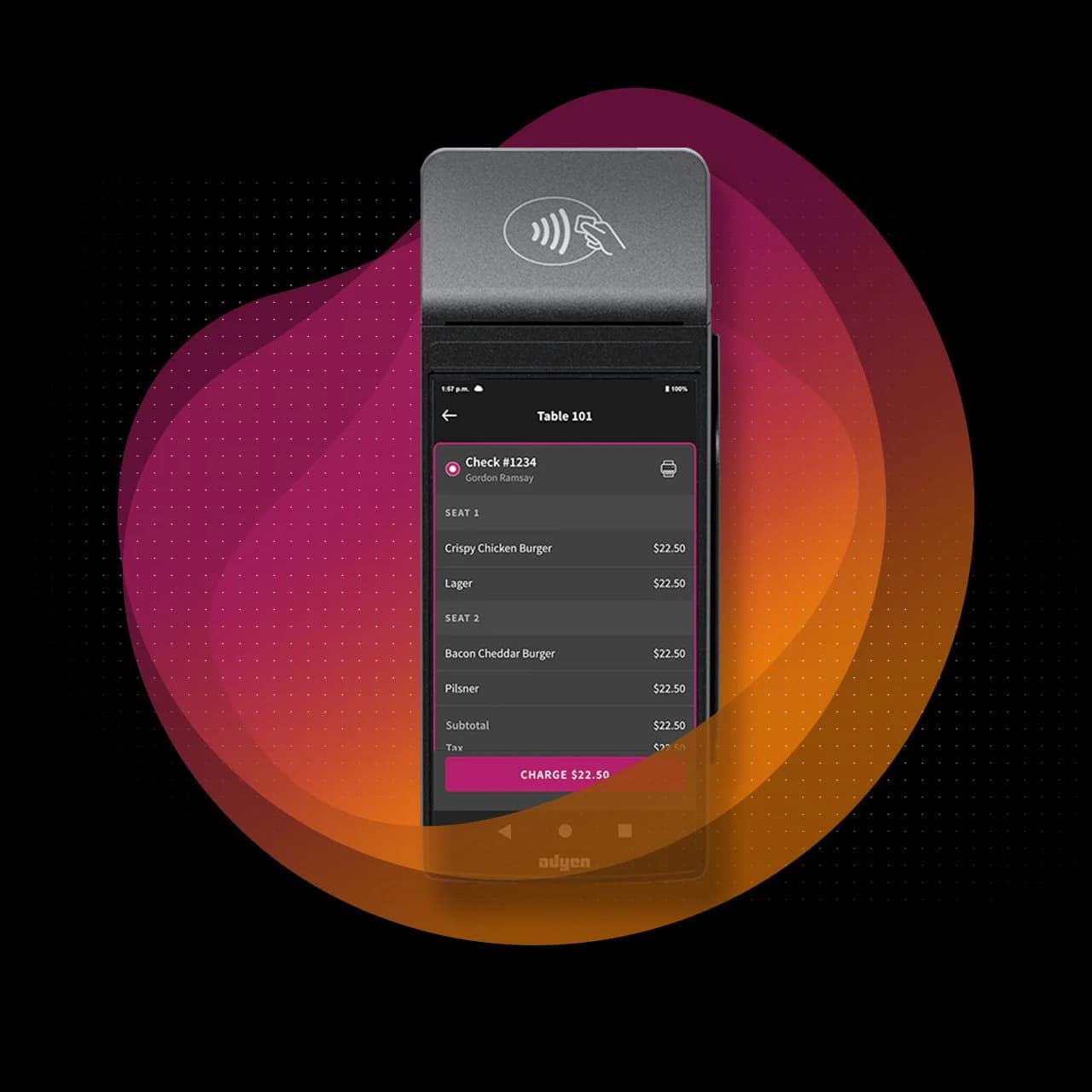
A server with five tables makes the same trips as a server with four — just more of them. Each lap is the walk, plus the wait behind whoever's already at the screen, plus the thirty seconds to find their way back into the flow of the room. Stack those across a Friday and a good chunk of a server's night went to standing in a queue that produced nothing for a guest. It's the same dead time tableside ordering takes back.
2. Your floor plan is a section-size decision
If firing an order depends on reaching a station, your section size is really a function of how many stations you have and where they sit. A room with one terminal behind the bar runs smaller sections than a room with three. The service isn't different. The walk is.
3. Split checks land at the worst possible minute
A six-top splitting four ways at a stationary terminal can take longer than the appetizer course did. It happens at the end of the meal, when three other tables are all waiting on something, and it's the most reliable way to blow up a section on a Saturday.
“Nobody breaks a section at 7pm. They break at 8:50, when four tables all want to leave at once.”
— Ready Operations
4. The extra table doesn't degrade service evenly
When a server goes underwater they triage, and the same things survive every time:
- The greet survives — it's the first thing standing in front of them.
- The check drop survives — the guest asks for it out loud.
- The middle of the meal is what goes: the second round, the water, the "how's the halibut."
- So the table you added costs you beverage revenue first, and turn time second.
5. Count the minutes before you change the number
Pick one server on a Friday and mark down every time they leave their section and why. One shift is enough to see the pattern — the terminal, the printer, the phone, the split check. The answer is rarely "add a table" or "take one away."
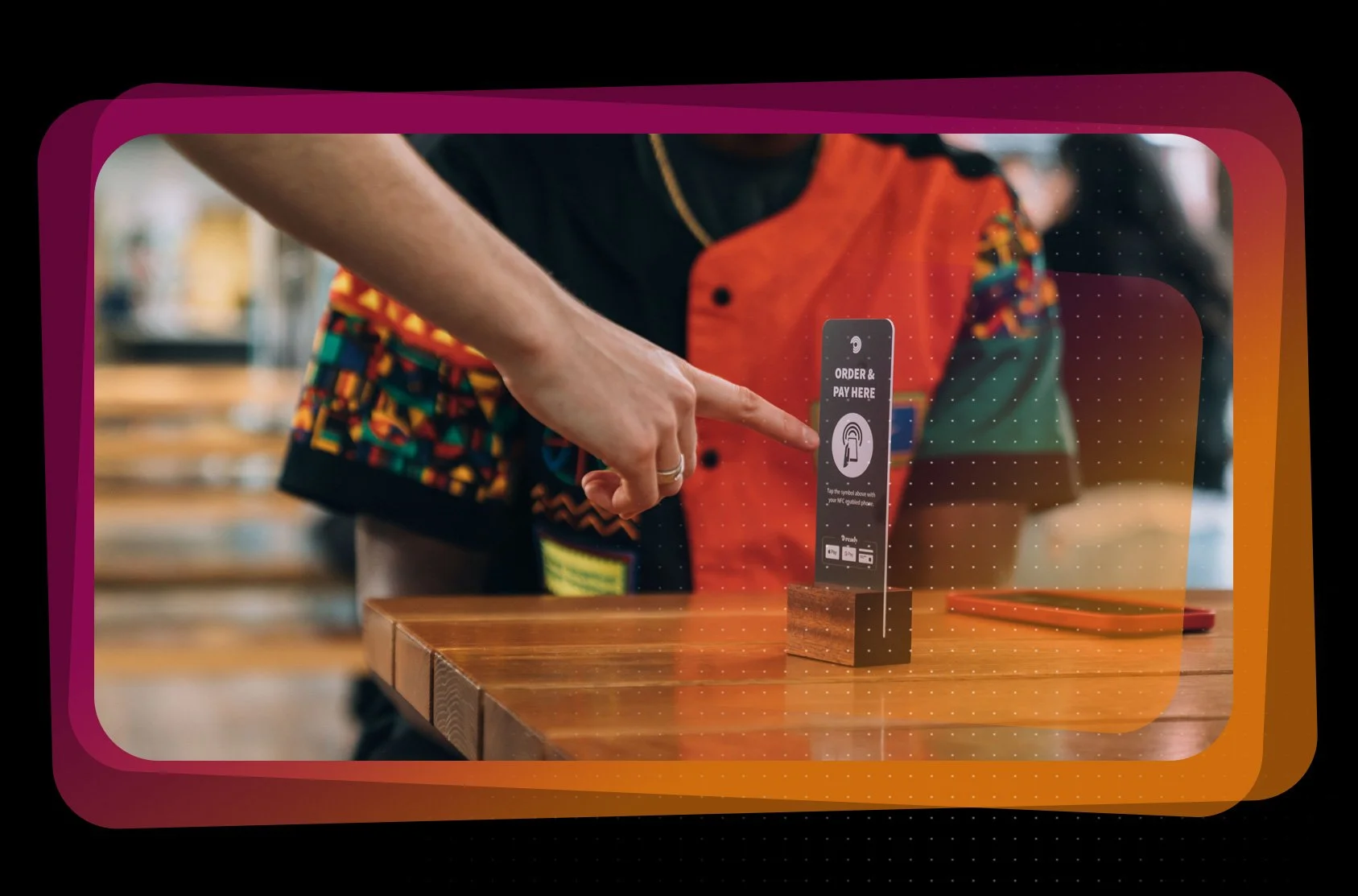
Most of what limits a section has nothing to do with how attentive your team is. It's the walking, the waiting, and the twenty minutes at the end when everyone wants to leave at once. Move ordering and the close to the table — ServerFlow for the order, Pay at Table for the checkout — and those minutes come back to the floor.
None of this requires ripping out your POS. It layers on top of the system you already run, which means the number you set years ago is finally worth a second look.
See it running in your restaurant
Ready layers order & pay onto your existing POS — no rip and replace.
Get a Demo