5 Reasons Your Own Floor Is the Only Table Turn Benchmark
The industry average you went looking for doesn't measure what you think it does. Here's what to time instead, starting this Friday.
Every operator eventually goes looking for the number. What's a good table turn for a full-service dining room — 60 minutes? 90? The pages that come up have an answer, a formula, and a confident range. Almost none of them have a measurement.
That isn't sloppiness on anyone's part. The number is genuinely hard to capture, because the one system in your building that timestamps everything doesn't know when a party sat down. Here are five reasons the published benchmark won't help you, and what to time instead.
1. The formula measures your floor plan, not your service
The standard calculation is parties served divided by tables, across a shift. Pull ten tables out of a 40-table dining room and your turn rate improves on paper without a single guest leaving any sooner.
2. Your POS doesn't know when the party sat down
It knows when the first item was rung in. The walk to the table, the menus, the wait for a greet — all of it is invisible to the only thing keeping time. Any turn number built from POS data starts the clock late and quietly flatters you.
3. A published average blends services that have nothing in common
A Tuesday lunch two-top and a Saturday 8pm six-top both count as one turn. Average enough of them together and you get a number that describes no shift you have ever actually run.
“Operators don't need the industry average. They need last Friday, so they have something to beat this Friday.”
— Ready Operations
4. Without a seat time, nothing downstream can be judged
- No seat time means no true duration for the table.
- No duration means no baseline.
- No baseline means a change to service gets argued about instead of measured.
- And that argument is usually won by whoever feels most strongly about it.
5. You can measure it this Friday without buying anything
Put a clipboard on the host stand and write down the seat time for twenty tables on one busy night. Match each one to the payment timestamp already sitting in your POS. That gives you twenty real durations and a median — and most operators are surprised by how much of the spread lives between the last course and the payment stamp. That stretch is also where the round that never got ordered goes missing.
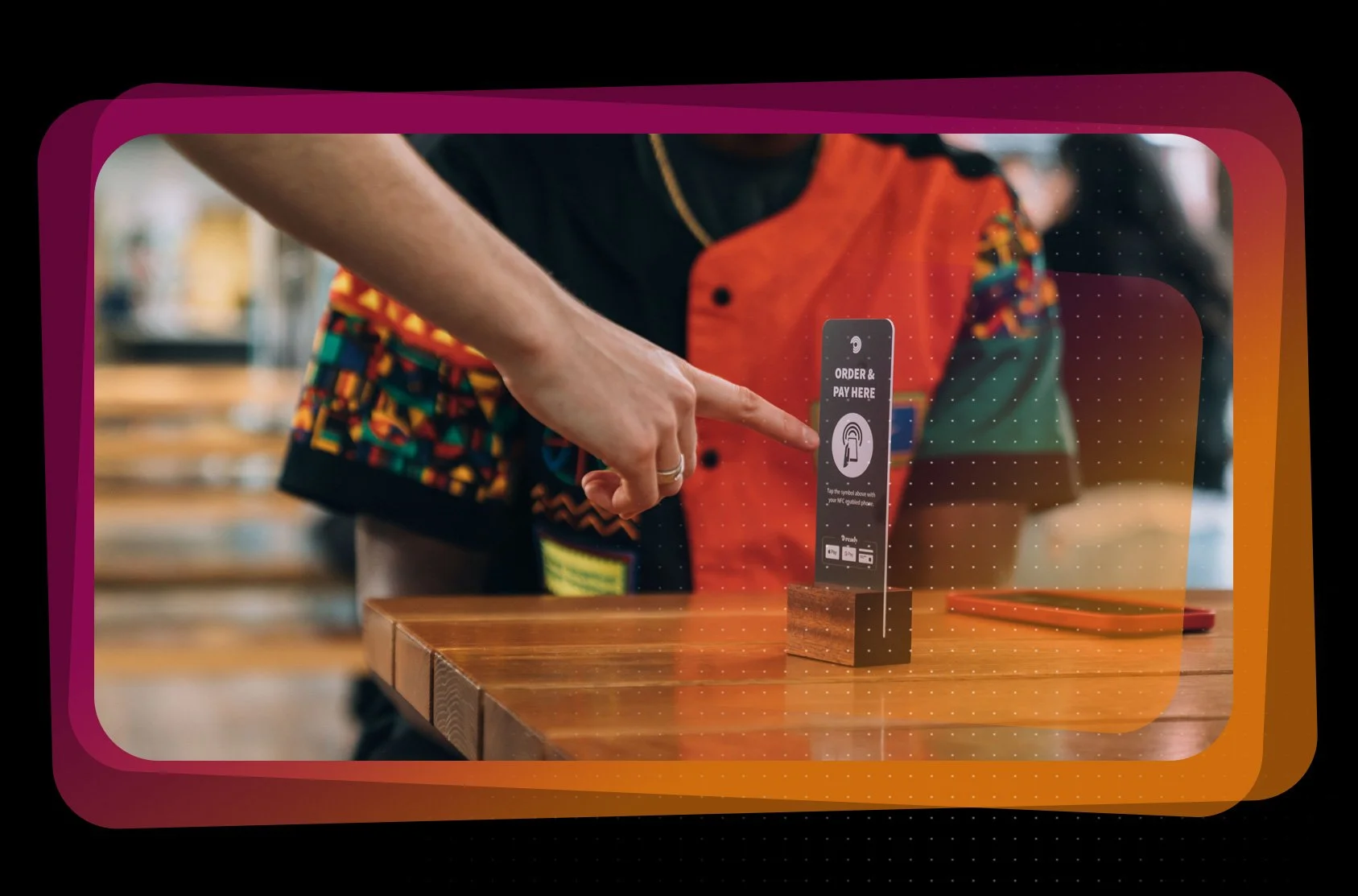
Once you can see that stretch, it becomes worth shortening. Across Tomatina's eight Bay Area locations, turns that had been running 60 to 70 minutes came down by more than 30 after order and pay moved into the guest's hands. A move that size is obvious against a measured baseline and invisible against an industry average.
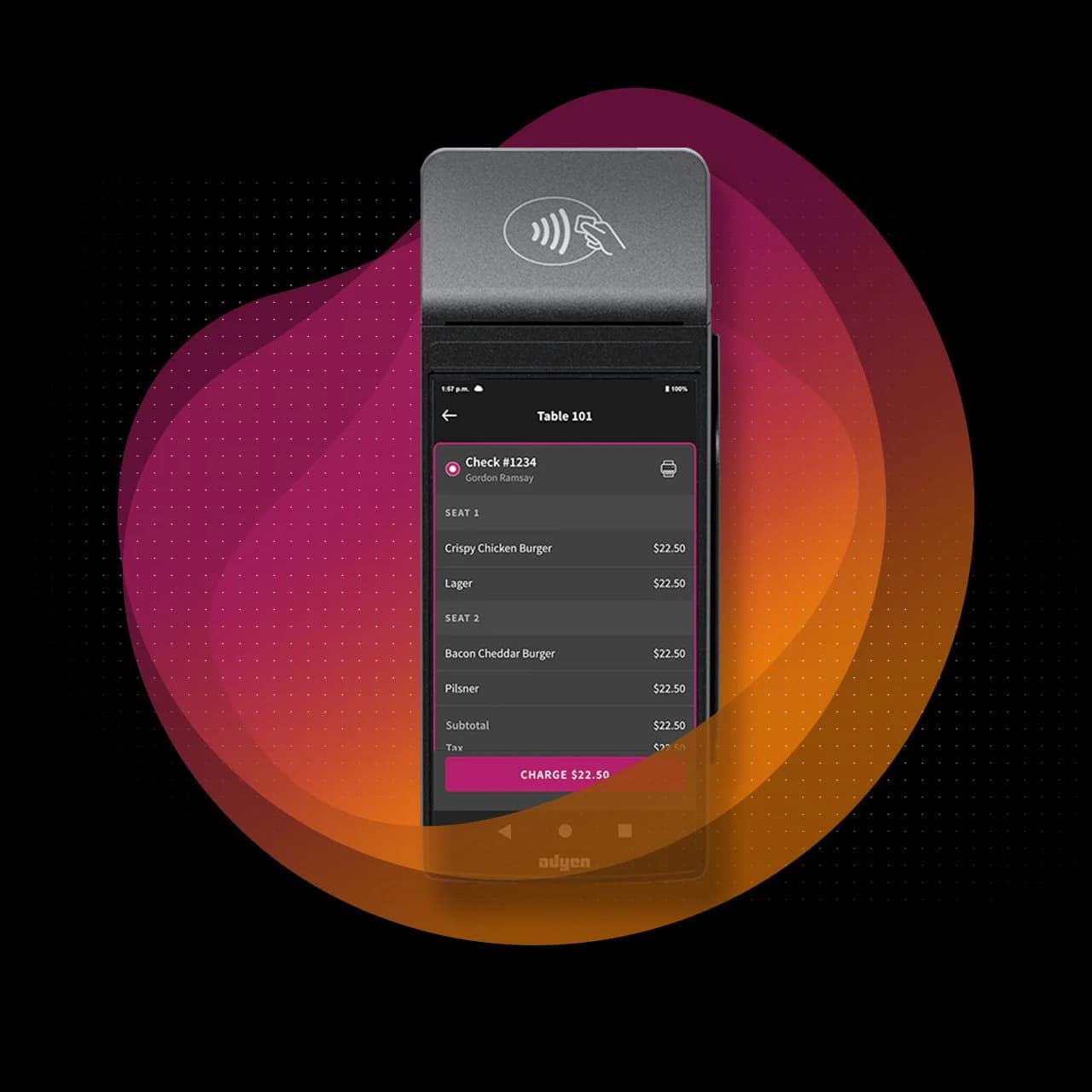
None of this requires ripping out your POS. The clipboard costs nothing, and the layer that tightens the end of the meal — guests closing out at the table on their own schedule — sits on top of the system you already run.
See it running in your restaurant
Ready layers order & pay onto your existing POS — no rip and replace.
Get a Demo